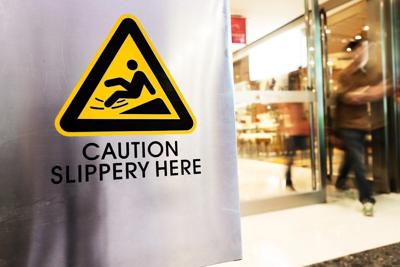


Photo provided by DepositPhotos
Slip-and-fall accidents are often treated as unavoidable mishaps, an unfortunate moment of bad luck in a grocery store aisle, parking lot, or apartment stairwell. Yet injury data and legal case patterns point to a different conclusion. A large share of slip-and-fall injuries stem from identifiable environmental hazards, many of which are well known and preventable.
Rather than being random, these incidents tend to follow consistent patterns linked to maintenance issues, design oversights, and neglected safety practices. As injury-related costs continue to rise, understanding why and where these accidents occur has become a growing concern for communities, property owners, and insurers alike.
The Common Hazards Behind Slip-and-Fall Injuries
Across residential, commercial, and public spaces, slip-and-fall accidents are frequently tied to the same underlying conditions. Uneven walking surfaces, wet or recently cleaned floors, poor lighting, loose flooring materials, and obstructed pathways appear repeatedly in injury reports.
People are also reading…
An overview of common slip-and-fall case types compiled by Cannella & O’Neal shows that these hazards are not limited to high-risk environments. They occur in everyday places such as retail stores, office buildings, parking garages, and apartment complexes, locations most people navigate without much thought.
This helps explain why falls remain one of the leading causes of nonfatal injuries treated in emergency departments nationwide. The environments may feel routine, but the risks are often hiding in plain sight.
Why “Preventable” Is the Key Word
What sets slip-and-fall accidents apart from many other types of injuries is how often they involve conditions that develop gradually. Unlike sudden equipment failures or unexpected events, fall hazards usually worsen over time.
Worn flooring, loose handrails, inconsistent lighting, and poor drainage rarely appear overnight. They emerge through deferred maintenance or inconsistent safety checks. In many jurisdictions, building codes and safety standards already address these risks, calling for regular inspections, timely repairs, and clear warning signage when hazards cannot be immediately corrected.
When those safeguards are overlooked, the likelihood of injury increases significantly. Viewing slip-and-fall accidents through this lens reframes them as a risk management issue rather than an unavoidable part of daily life.
The Cost of Overlooking Small Risks
Slip-and-fall injuries are often more serious than they initially appear. Fractures, head injuries, and soft tissue damage are common outcomes, and recovery can take weeks or months.
National injury surveillance data consistently show that falls account for a substantial share of emergency room visits and lost workdays each year. Even injuries that seem minor at first can lead to long-term mobility challenges or complications that affect a person’s ability to work or live independently.
From an economic standpoint, these injuries contribute to higher healthcare costs, increased insurance claims, and productivity losses across multiple sectors. Because many of these outcomes trace back to basic environmental hazards, prevention offers a clear opportunity to reduce both human and financial costs at the same time.
Where Prevention Efforts Are Gaining Attention
As awareness of preventable injuries grows, safety practices in both commercial and residential spaces are receiving closer scrutiny. Property owners, insurers, and regulators are paying more attention to routine maintenance schedules, lighting standards, surface materials, and pedestrian traffic flow.
At the same time, urban planners and public health professionals are examining how infrastructure design influences fall risk. Sidewalk conditions, curb transitions, and accessibility features all play a role, particularly for older adults and individuals with limited mobility.
These discussions reflect a broader shift away from reacting to injuries after they occur and toward reducing risks before accidents happen.
A Broader Cultural and Industry Relevance
Slip-and-fall prevention sits at the intersection of public health, real estate, workplace safety, and urban design. As populations age and cities grow denser, the consequences of everyday hazards become more pronounced.
The available evidence suggests that meaningful reductions in slip-and-fall injuries do not require complex solutions. Instead, they depend on consistent attention to known risks and adherence to established safety standards. Framing these incidents as preventable highlights how small, practical decisions, such as timely repairs and better lighting, can have an outsized impact.
Slip-and-fall accidents offer a clear example of how proactive safety measures can improve health outcomes, reduce costs, and support safer shared spaces across communities.