


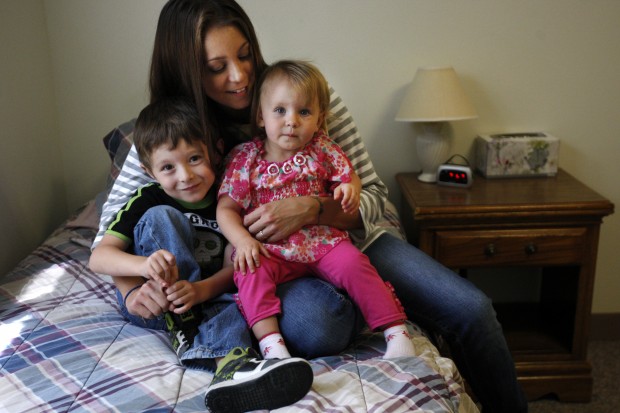
Lexa Comstock pawned movies, jewelry a swamp cooler and even her engagement ring. She needed $200 to $300 a day to feed her addiction to the prescription pain killer Oxycontin. When she ran out of things to pawn, she started forging checks.
“I hit a point where I would do anything for my drug of choice,” she said. “I was willing to lie, cheat, steal checks ... I was just waiting to get arrested and I just didn’t care.”
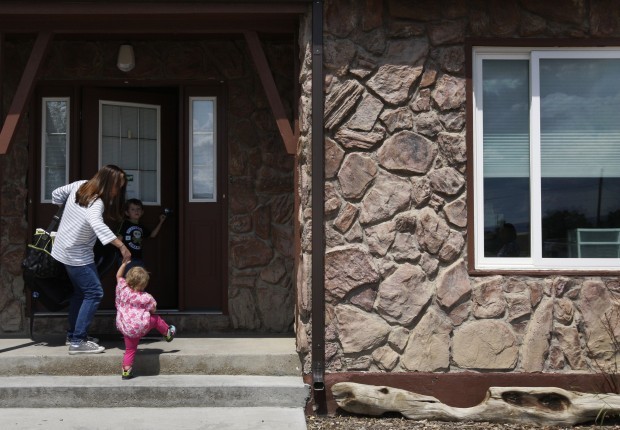
Now the Green River woman and her two children are in a residential treatment program at Southwest Counseling Service in Rock Springs. It’s one of three clinics in Wyoming that offer in-patient substance abuse treatment to women with their children.
“Women going into treatment who have children tend to stay in treatment longer if they are not separated from their children,” said Portia Peterson, state planner for the Behavioral Health Division of the Wyoming Department of Health.
People are also reading…
In 2014, the Wyoming Department of Health Behavioral Health Division will pay contractors $2,679,422 for residential treatment for women with their children.
Facilities that offer residential treatment to women with children are Central Wyoming Counseling Center in Casper, Peak Wellness Center in Cheyenne and Southwest Counseling Services in Rock Springs. Depending on the number of children in the programs, there are about 21 beds for women with children in Wyoming.
Southwest Counseling Services was the first in state to offer residential treatment for women with children, starting with three beds in 2000. Today, it has 10 beds and about 10 to 15 children in the program daily.
“We recognized very early that women had different challenges than men in entering treatment, and one of those challenges was being a mother,” said Linda Acker, executive director of Southwest Counseling Services.
For women who are the primary caregivers of their children, bringing their children with them may be the only option. Others don’t want to be separated from their children during residential treatment, which can last eight to 12 months.
“Women’s No. 1 motive for seeking treatment is retaining custody of their children,” said Laura Schmid-Pizzato, recovery services manager at Southwest Counseling Services. “So we believe that that’s a great opportunity to get women into treatment that they need and to maintain them in treatment.”
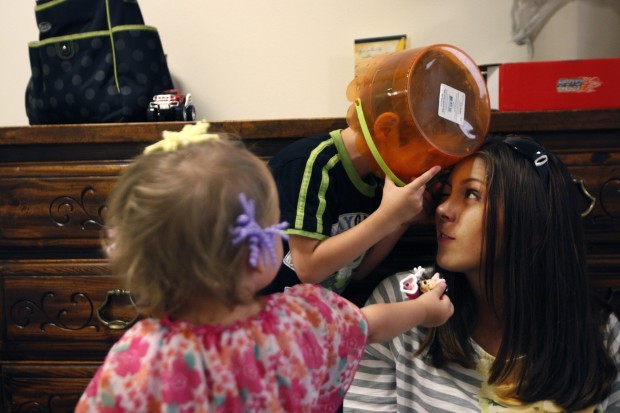
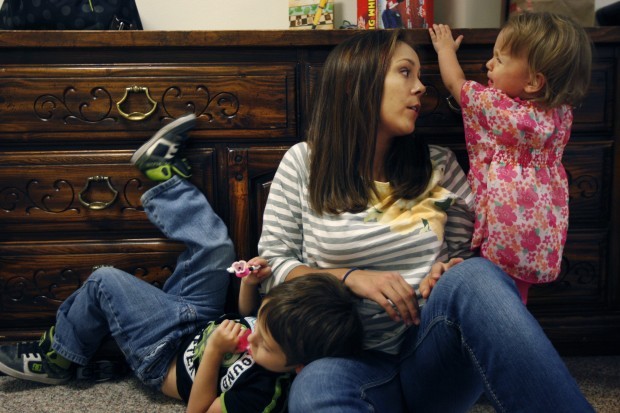
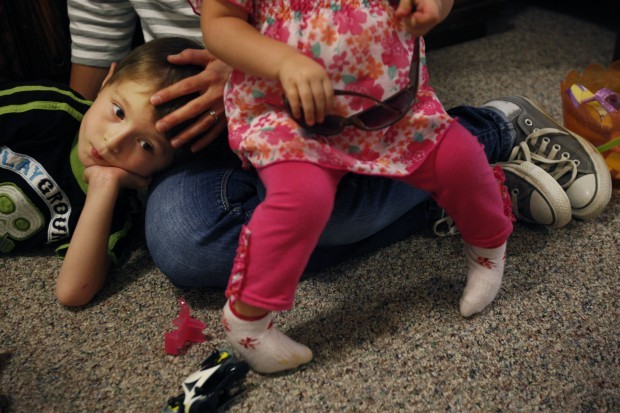
For Comstock, having her children with her is a huge bonus. She wants to be a good mom to her son Zayden, 4, and her daughter Myla, 18 months. Her treatment includes classes on parenting, budgeting and planning nutritious meals for her family.
“Everything that comes with being a parent, I’m learning, because I’ve never been a sober mom,” Comstock said.
Zayden has behavioral problems, and Comstock is learning the best ways to deal with him. Twice a month, they go to play therapy together.
Comstock’s addiction started with a dislocated knee at the age of 16. She was given narcotic pain killers and was instantly hooked. Oxycontin was her drug of choice, but she used other narcotic pain killers when she couldn’t get it. She also struggled with alcohol abuse.
She tried to quit on her own. She and her son stayed with family out of state, and for two months, she was sober. But when she moved back home, she was using again withing two weeks.
In November of 2010, she was charged with eight counts of felony forgery in 3rd District Court in Sweetwater County. In March of 2011, she was convicted of two counts of felony forgery and was sentenced to a three- to six-year suspended prison sentence and four years supervised probation. The court also ordered her to do outpatient treatment at Southwest Counseling Services.
Two weeks into the program, she found out she was pregnant. She completed the program in 13 months during which her daughter Myla was born. Afterward, she completed the six-month aftercare program, graduating in December of 2012. That weekend, she relapsed and started drinking alcohol. She was caught violating her probation in late December and was ordered back into outpatient treatment. In January of 2013, she was caught violating probation again and was arrested. She spent five days in jail before being moved to the women-with-children residential treatment program at Southwest Counseling Services.
“When I was incarcerated and didn’t have my kids, I realized this could be my life,” she said.
Ninety-three percent of residential clients at Southwest Counseling Services are there due to mandated referrals from DFS or the criminal justice system, Schmid-Pizzato said.
She has been in treatment for seven months now. She and her children share a room in a house. Every morning, she gets up at 5:30 a.m. to get herself and her children ready for the day. During the day, the children go to day care while she is in treatment. Afterward, she and the other moms in the house fix their children dinner and clean up.
The rules in the house are strict — there are chores to do and no cell phones allowed — but Comstock appreciates the structure and stability.
“I like this program, because they don’t just focus on drug addiction,” Comstock said. “It’s deep inner stuff, like shame, grief and loss, and how that affects how we use drugs and alcohol.”
She also enjoys the support of not only the staff, but the other women in treatment or “sisters.”
She plans to move to a sober-living apartment once she has completed residential treatment.
“I want it this time, and I believe that I’m worth it,” Comstock said. “I don’t ever want to go back to where I was.”
Comstock still has a long way to go, but she hopes that someday she can be an advocate for recovery.
Carol Seavey is editor of Live Well Wyoming magazine, which is published six times a year by the Casper Star-Tribune. Contact her at 307-266-0544 or carol.seavey@trib.com. Follow her on twitter at Carol_Seavey. Live Well Wyoming is on Facebook at www.facebook.com/LiveWellWyoming.


