


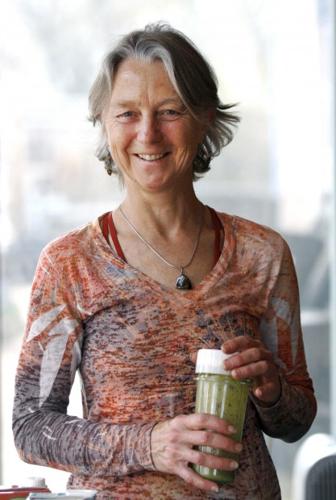

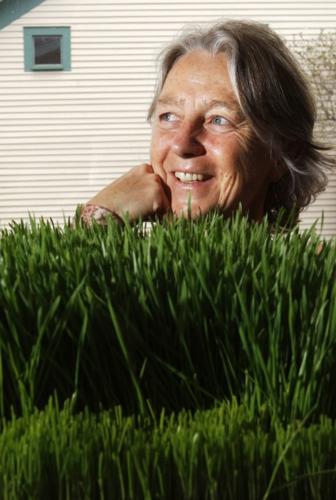




Debbie Mathew starts each morning with a smoothie.
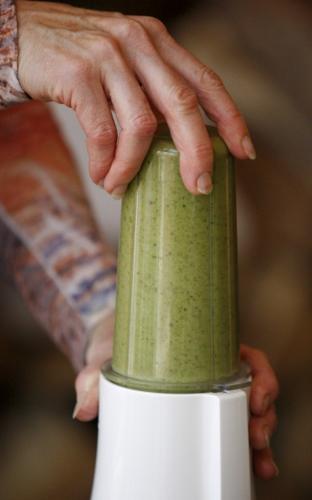
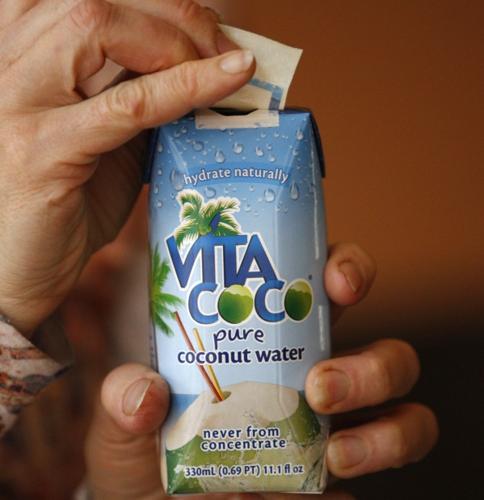
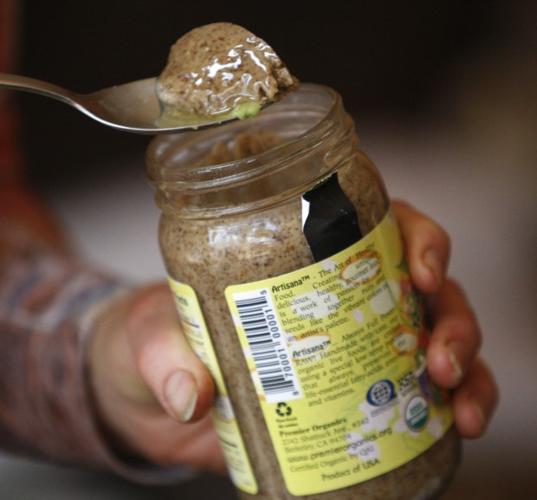
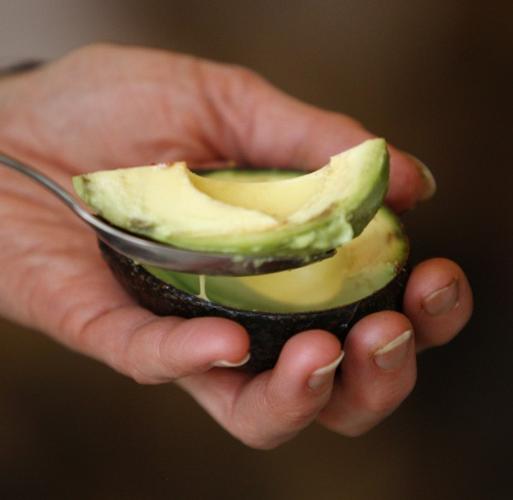
But it has more than yogurt and fruit. Her smoothies are a thick concoction of spinach, cashews, avocado, coconut milk, green superfood -- a bitter tasting powder -- and a bit of fruit.
The Laramie woman has embraced living food -- such as raw vegetables and fermented food -- since she came across them three years ago. At the time, she was looking for a way to pull back the reigns on aging.
"The more I read, the more I realized there are so many things you eat that influence how you feel," she said. "Living food just made so much sense to me."
Since then, she's had more energy, fewer aches and pains and less illness, she says. Even the wrinkles on her face have diminished.
"My energy is really a lot more stable, and some of the health issues I was experiencing haven't gotten worse and are slowly getting better," Mathew said.
People are also reading…
Mathew completed a six-week course on living food in Colorado and now offers classes of her own. This summer, she plans to sell living food products, such as bread, crackers and granola, at farmers' markets in Laramie and Cheyenne.
Living food includes raw food, fermented food and cultured dairy products.
People have used fermentation and culturing to preserve food for thousands of years. In fact, it was quite common up until World War II, when canning and other preservation processes that kill bacteria were perfected.
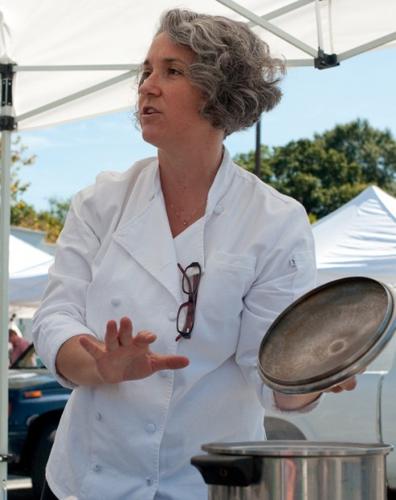
"Right after the war, all the technology about feeding troops and people became this wave of processed foods," said Monica Corrado, a teaching chef based in Fort Collins, Colo. who promotes living foods.
Today, most Americans eat very few fermented or cultured food, she added.
RAW FOOD
Fruit and vegetables are considered raw if they have not been cooked higher than 110 to 114 F, which may preserve nutrients that could be lost in the cooking process.
"In general, you'll have access to more vitamins and enzymes," Mathew said.
Although, there are a few foods, such as carrots, that have different nutrients when cooked, she added.
FERMENTATION
When food is fermented, microorganisms such as bacteria or yeast preserve the food by changing its chemical structure. Living food enthusiasts prefer to ferment food with Lactic Acid-Producing Bacteria.
It's done by placing food in a container, sealing out the air and letting it sit at room temperature for a couple days to several weeks. During that time, the good bacteria eats the sugars and multiplies, pushing out the bad bacteria.
"We're trying to encourage the Lactic Acid-Producing Bacteria, because those are the get-good guys," Corrado said.
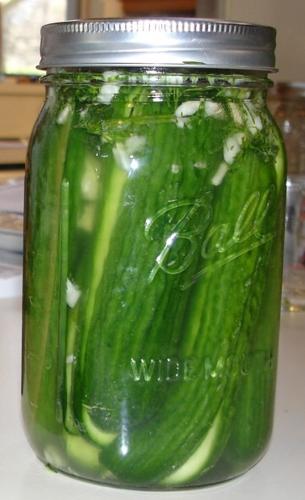
Beverages, fruits and vegetables are often fermented. Pickles and sauerkraut are two examples of fermented food. But don't be fooled -- those that have been canned contain no living organisms.
CULTURED DAIRY
Cultured dairy is dairy products that have been fermented, such as yogurt, cultured cream (a.k.a. creme fraiche) and kefir, a fermented milk beverage from Russia.
BENEFITS
PROBITIOICS: The key benefit to eating fermented and cultured food is the addition of lactic-acid producing bacteria in the diet. It's the same bacteria found in gut-friendly yogurt and probiotic supplements.
"They are really tremendously important for you immune system function," Corrado said. "If you eat fermented foods and cultured foods, your immune system will be better than someone who eats dead foods."
Eating fermented and cultured food could also be good for you gut, as it may aid in digestion and help maintain healthy flora. In fact, some say that psychological and psychiatric problems may be linked to digestive health. For example, Dr. Natasha Campbell-McBride, founder of the Cambridge Nutrition Clinic in Cambridge, England, created the Gut and Psychology Syndrome diet to treat autism, ADHD, ADD, dyslexia, dyspraxia, depression and schizophrenia.
"When your gut is healthy, your brain is healthy," Corrado said.
The U.S. Food and Drug Administration has not approved any health claims for probiotics and more research is needed.
pH BALANCE: Proponents of living food also say it helps maintain an alkaline pH balance in the blood, which could reduce chronic disease and create a poor living environment for cancer cells.
AVOIDING ALLERGENS: When eating a diet of living food, it's easy to avoid common allergens, such as gluten, dairy, soy and corn, Mathew said. She is allergic to dairy, but has found plenty of alternatives in living food. For example, she makes kefir out of water instead of milk.
Because processed food is also avoided, there are fewer toxins, too. For example, beverages can be fermented for natural carbonation.
GETTING STARTED
Adding living food to your diet is simple and affordable.
"It's so easy, once you know what you're doing," Corrado said.
Start by shopping the outer areas of the supermarket; that's where all of the live food can be found. Anything in the middle of the store is dead, Corrado said.
When it comes to fermented and cultured food, it's important to start slowly, because adding it to your diet too quickly can cause gastric distress. Corrado suggests starting with just an ounce or tablespoon a day, and working up to a half or whole cup over the course of six months.
Fermenting your own food is also quite simple. However, if done incorrectly, it is possible for the food to go bad, so it's wise to take a class to learn the technique.
Prepackaged fermented food can also be found in the refrigerated section of natural foods grocery stores. Some fermented beverages, such as kefir, are sometimes carried in supermarkets, too.
For more information, see Corrado's website, http://simplybeingwell.com or Mathew's website, http://www.yogaoasis.biz/.
Carol Seavey is special sections editor at the Casper Star-Tribune. Contact her at 307-266-0544 or carol.seavey@trib.com. Follow her on twitter at Carol_Seavey.


